Walan Miya Bulabul
Walan Miya Bulabul — Stronger Partnerships Together
Strengthening relationships between Landcare and Aboriginal communities across the Central Tablelands.
Walan Miya Bulabul is the Central Tablelands Regional Landcare Network’s Aboriginal Partnerships project, funded by the NSW Government under Phase 3 of the Landcare Enabling Program. This project has been a partnership between the Central Tablelands Regional Landcare Network and the Central Tablelands Local Land Services.
Local Wiradjuri Elder Uncle Neil Ingram gifted the project its name, Walan Miya Bulabul, meaning Stronger Partnerships Together. This name reflects the project’s purpose: to build respectful, lasting relationships between Landcare and Aboriginal communities, strengthen cultural understanding and create opportunities to care for Country together.
The project brings together five connected elements
1. Regional Aboriginal Engagement Strategy
The Regional Aboriginal Engagement Strategy guides respectful partnerships across our five local Landcare networks. The strategy embeds respectful engagement into Landcare’s planning, decision-making and project delivery. It provides guidance on cultural protocols, consultation and Indigenous Cultural and Intellectual Property, supporting consistent practice as staff and committees change. It supports Aboriginal leadership, respect for cultural knowledge and projects developed around shared priorities.
The strategy was developed with Yilabara Solutions, guided by consultant Karen Cooper and a working group representing each local network. The governance for this project sits with the Regional Steering Committee. A Regional Implementation Plan sets out practical actions, supported by Local Aboriginal Engagement Plans tailored to each network. Planning tools and reporting templates help staff and committees apply the strategy and track progress.
2. Regional Artwork
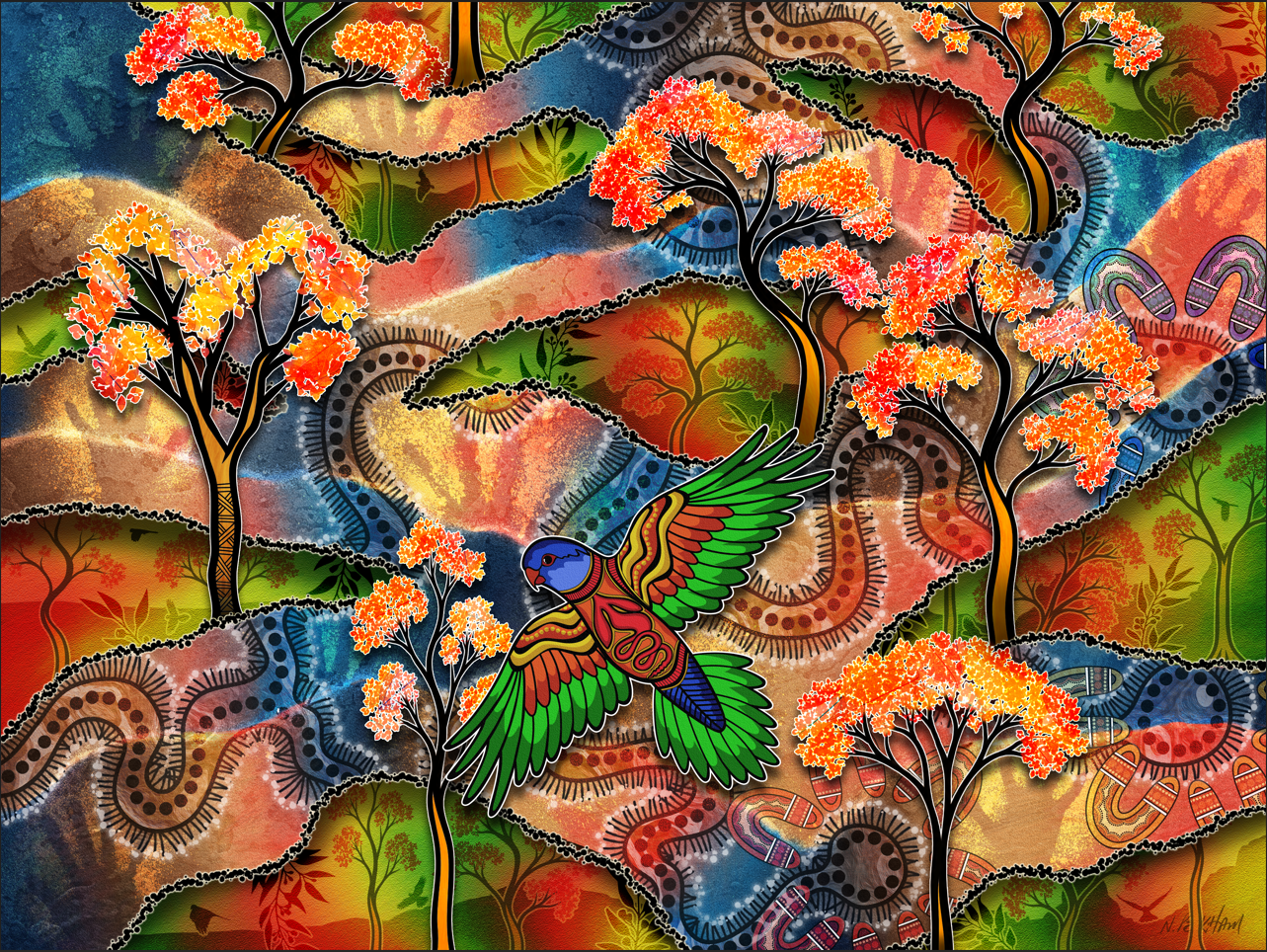
Wiradjuri artist Nathan Peckham, created a new regional artwork celebrating connection to Country and our shared responsibility to care for it.
The artwork brings together the region’s rivers, mother trees, roots and underground networks, reflecting the connections between healthy landscapes and strong communities. It now features across our regional communications under the message “Shared land. Shared responsibility.”
3. Local Aboriginal Land Council visits
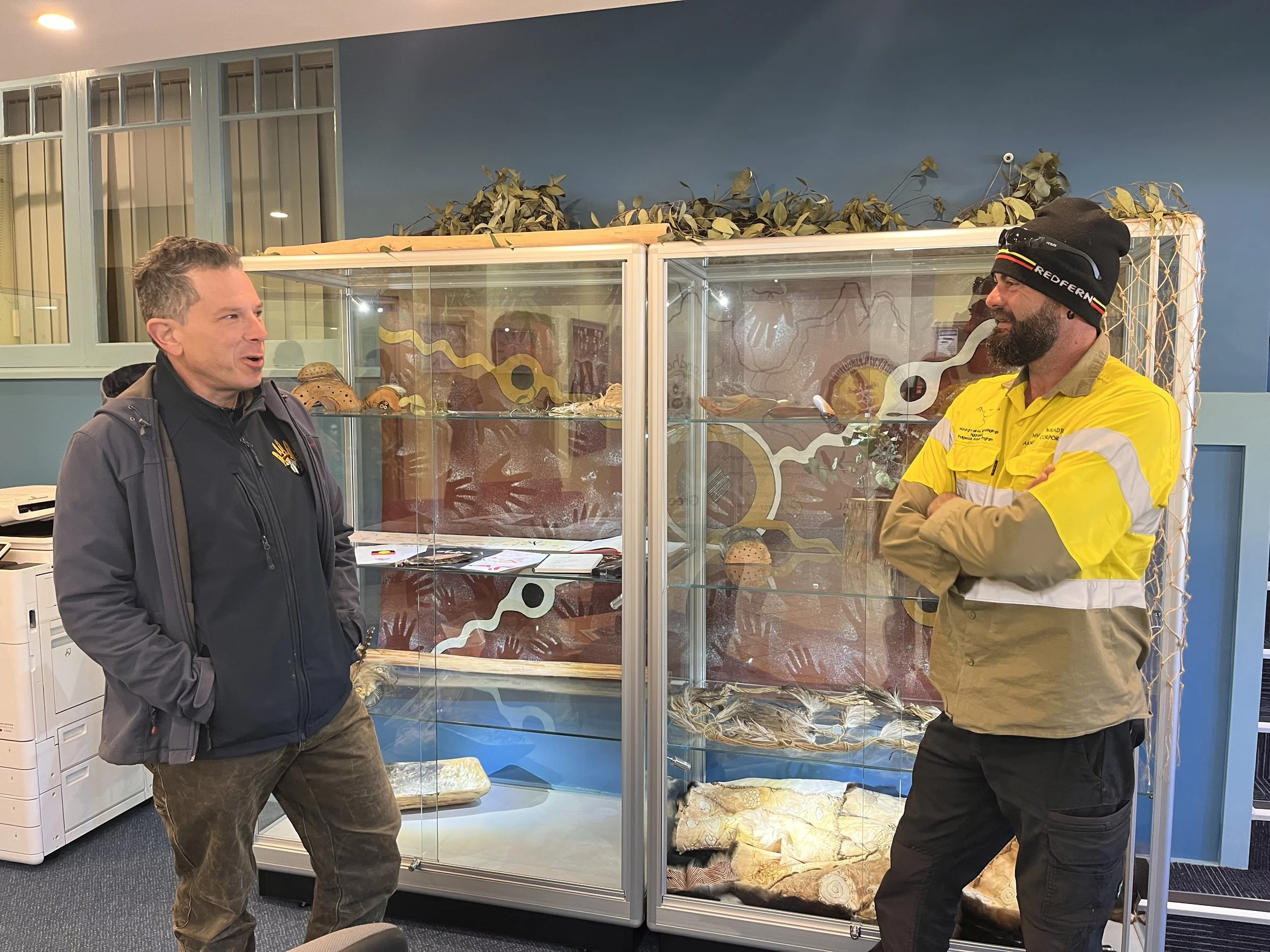
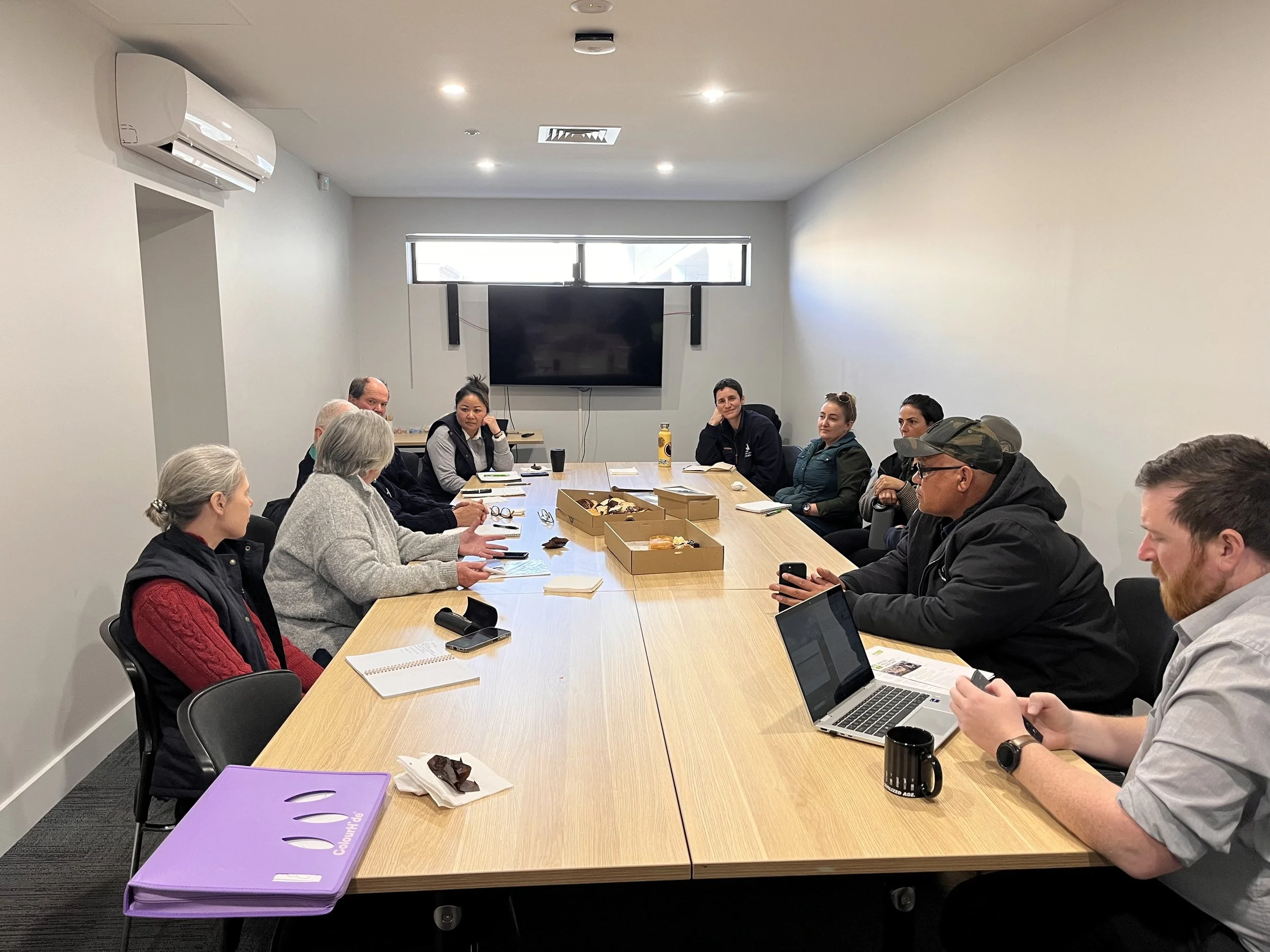
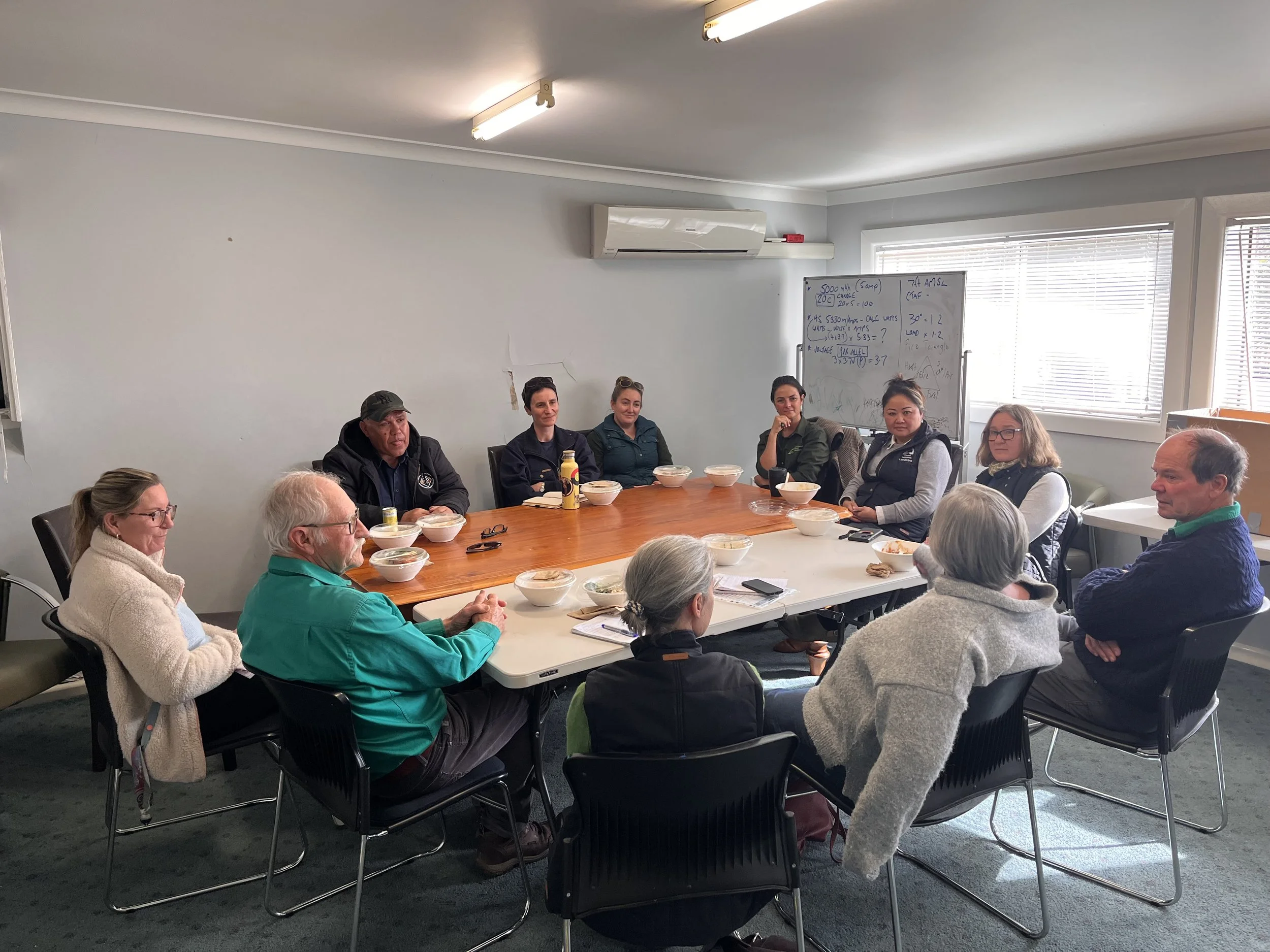
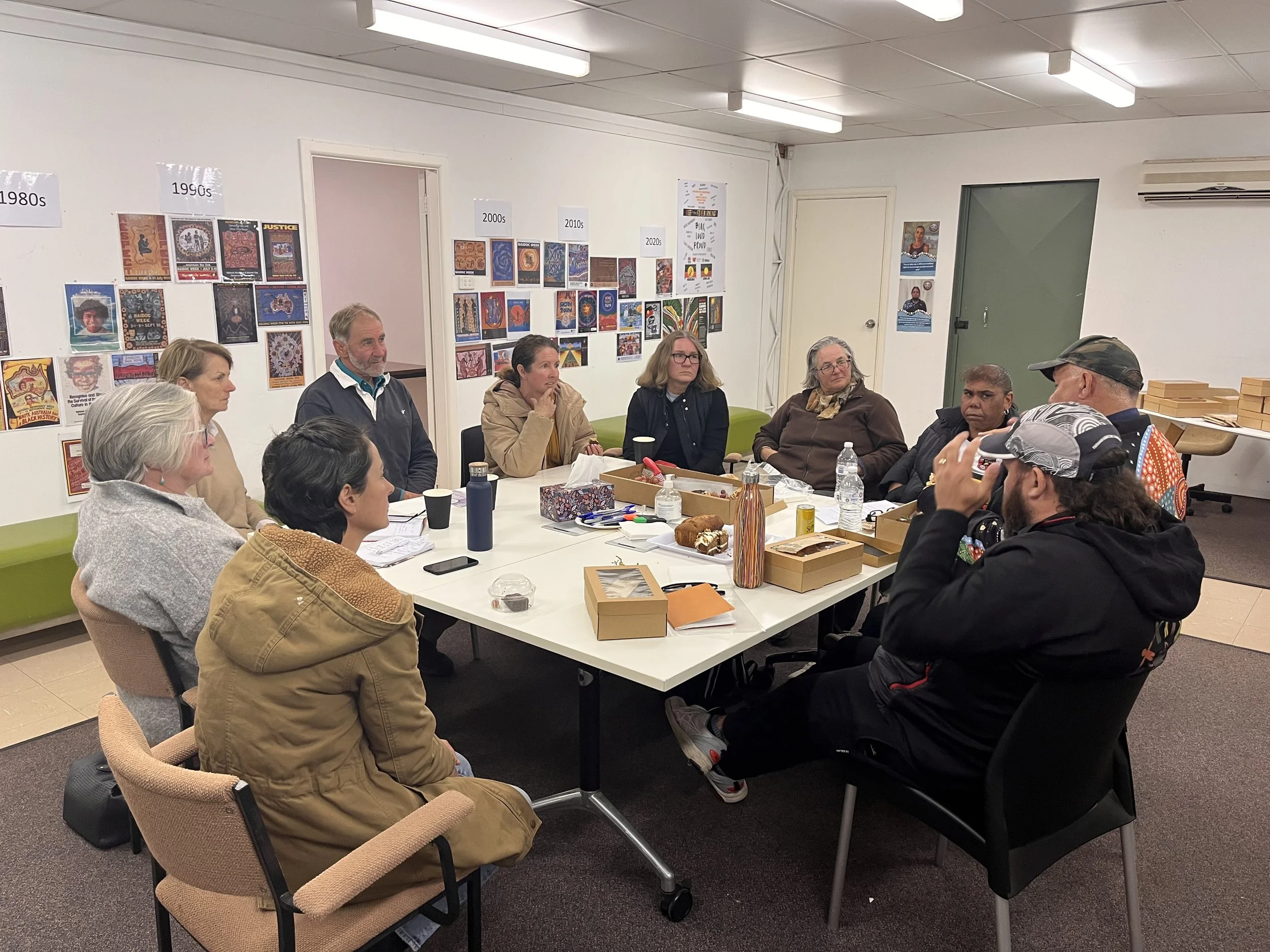
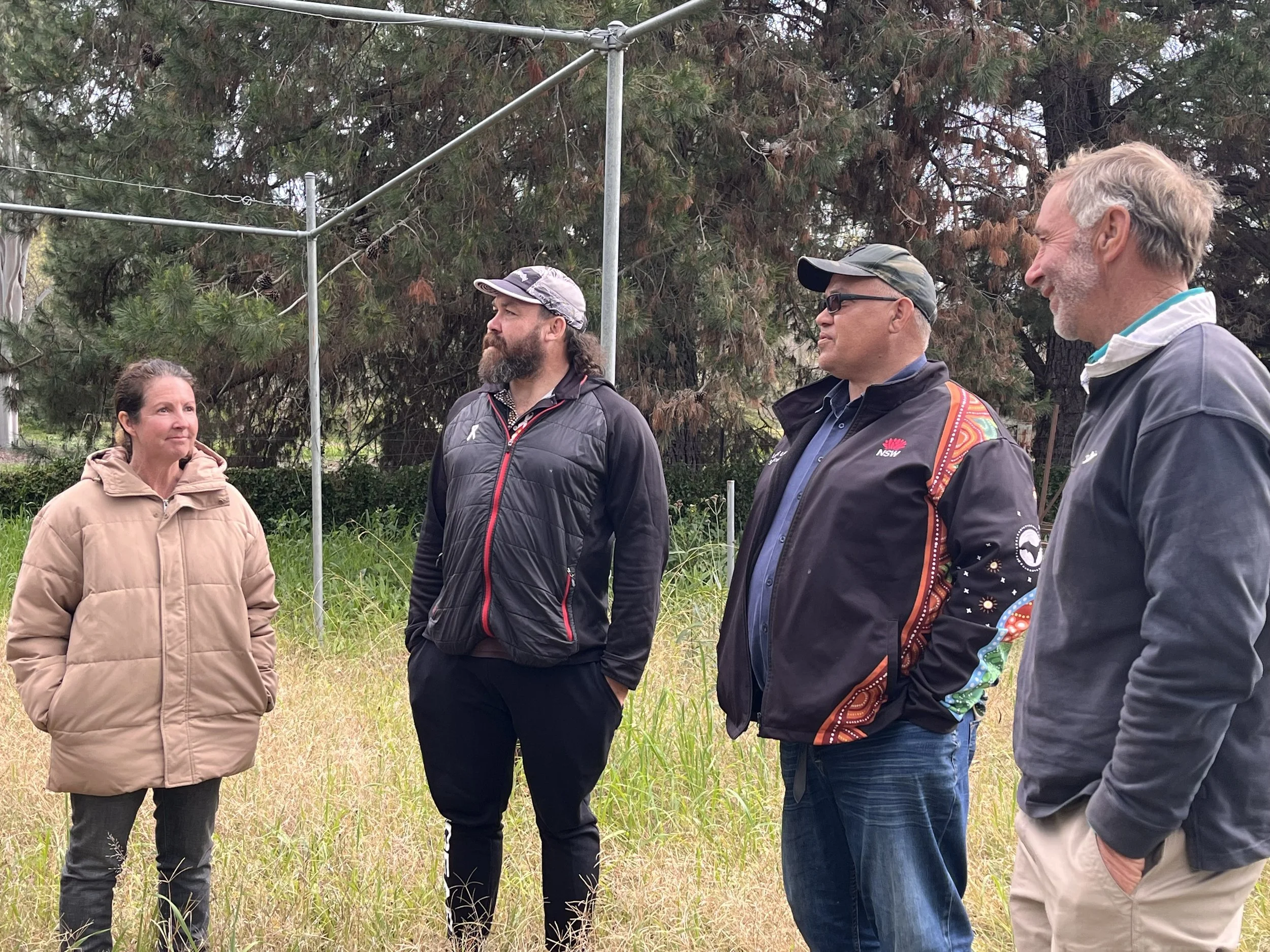
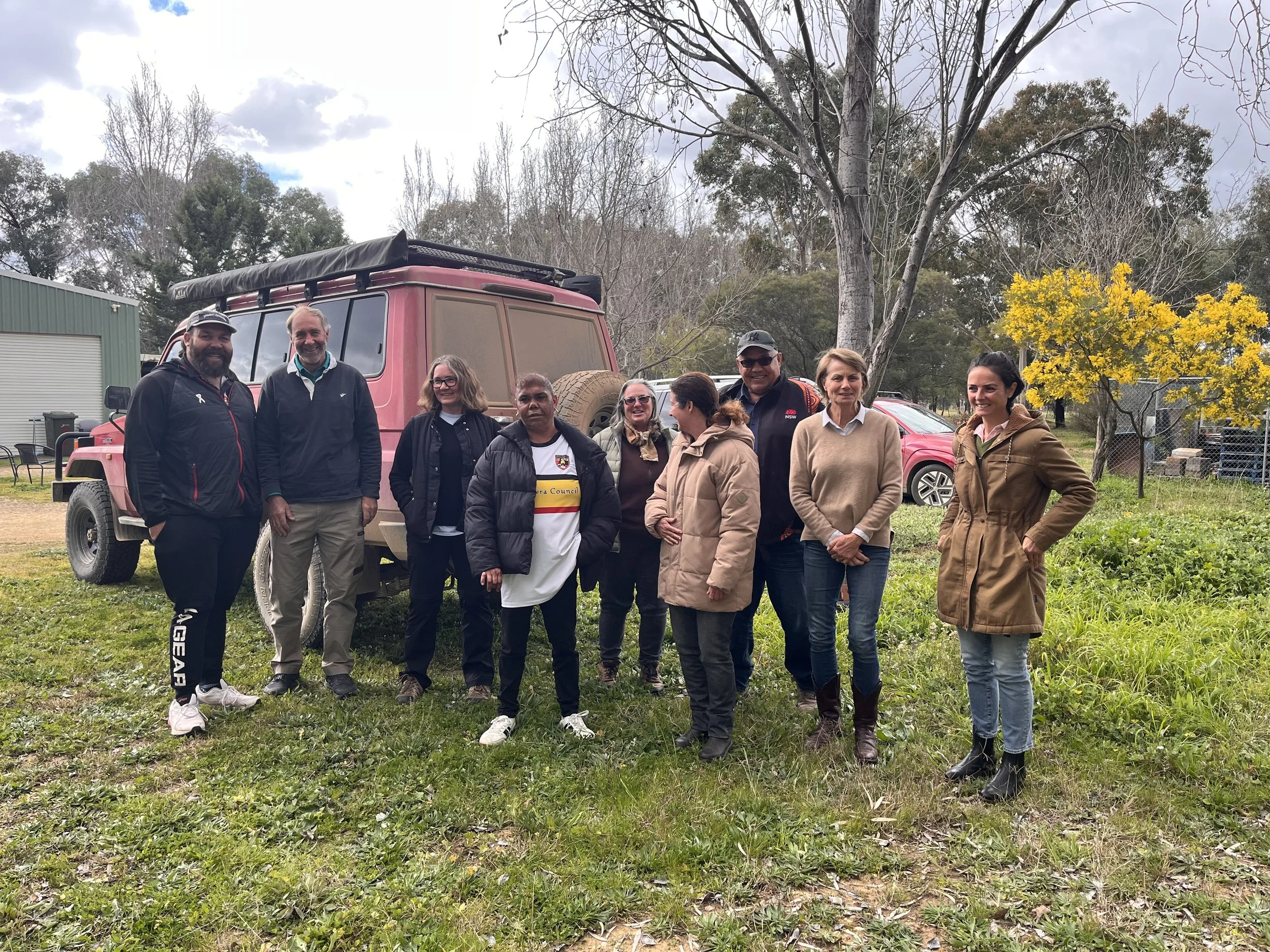
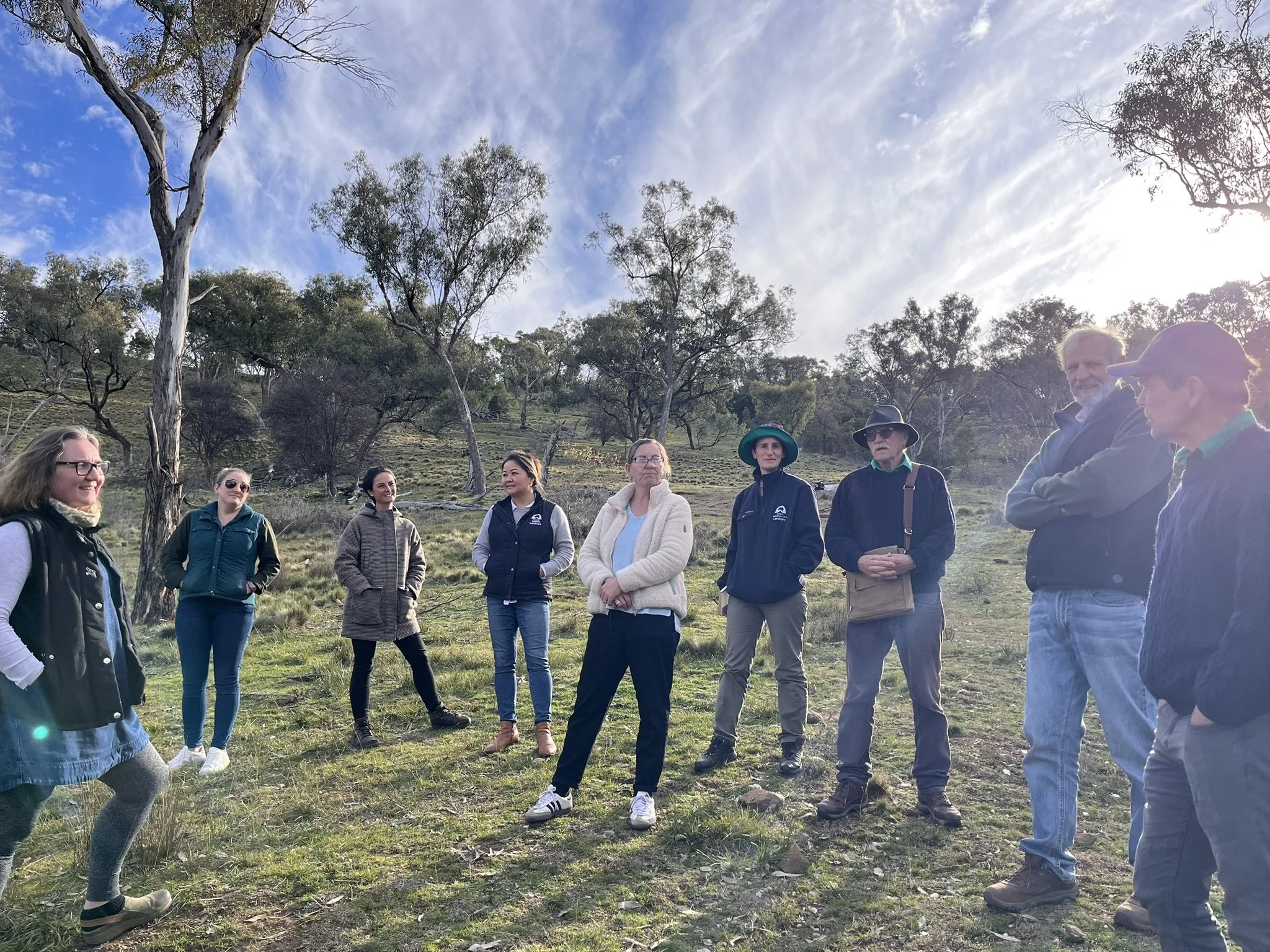
Listening and building relationships are essential foundations for working together. With support from Liz Davis and Greg Ingram, Landcare staff and committee members participated in five visit days across six Aboriginal organisations:
Mudgee Local Aboriginal Land Council
Wellington Local Aboriginal Land Council
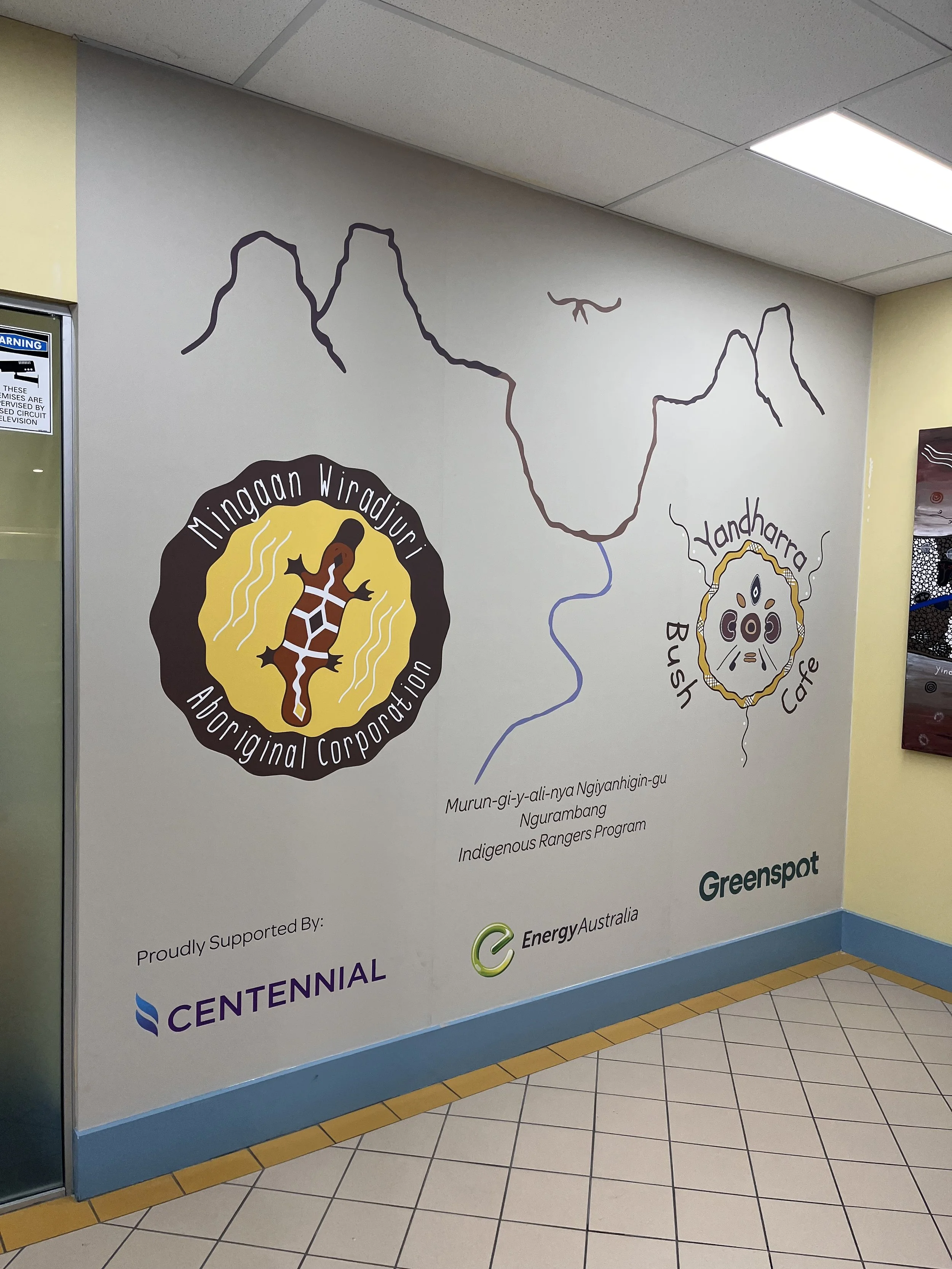
Mingaan Wiradjuri Aboriginal Corporation
Orange Local Aboriginal Land Council
Bathurst Local Aboriginal Land Council
Cowra Local Aboriginal Land Council
These visits provided opportunities to meet Aboriginal leaders and community members, learn about their organisations and the Country they own and manage, and discuss their priorities and aspirations.
The conversations helped identify opportunities for future collaboration and strengthened understanding of how Landcare can support locally led initiatives.
4. Cultural immersion camp
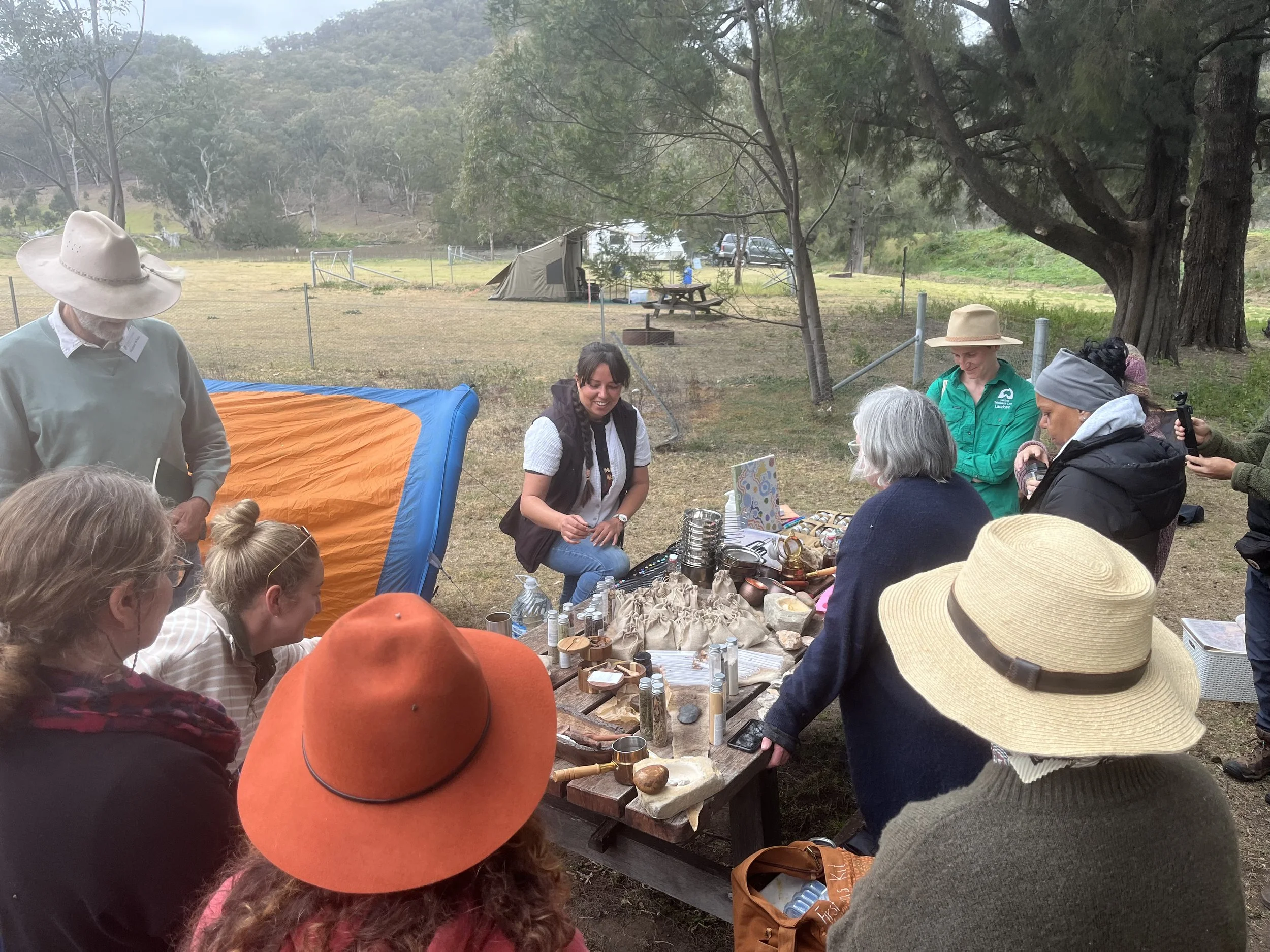
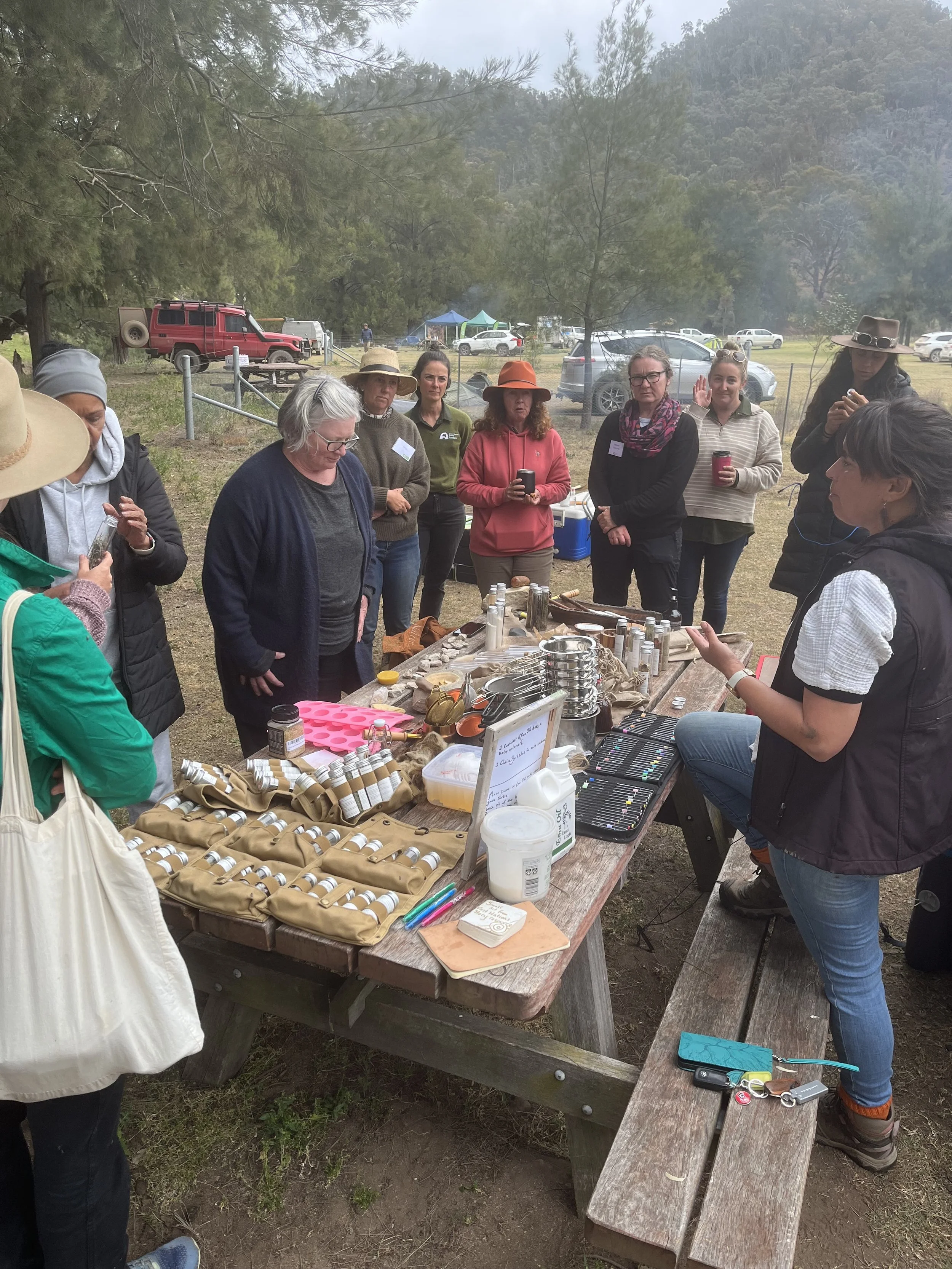
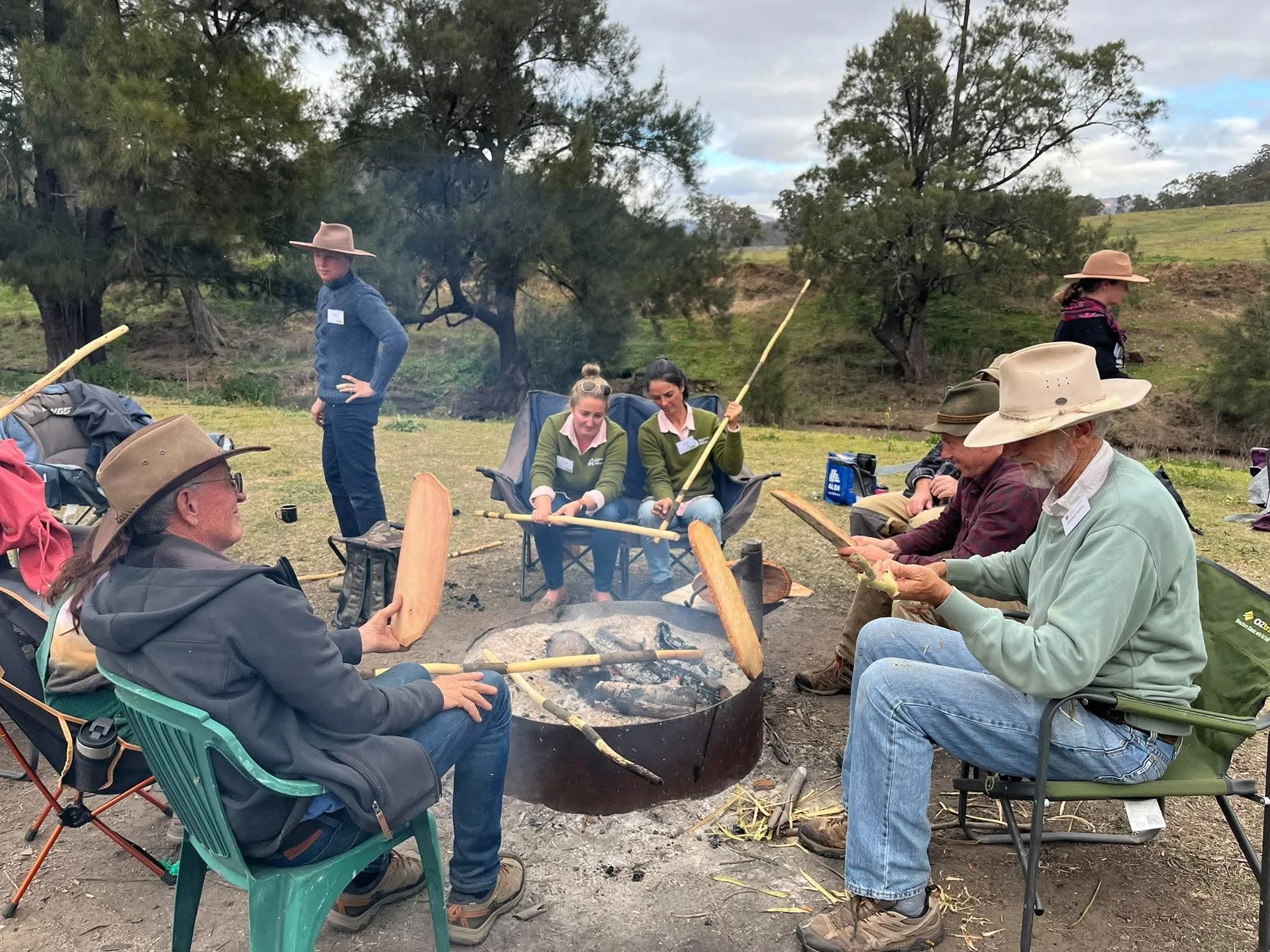
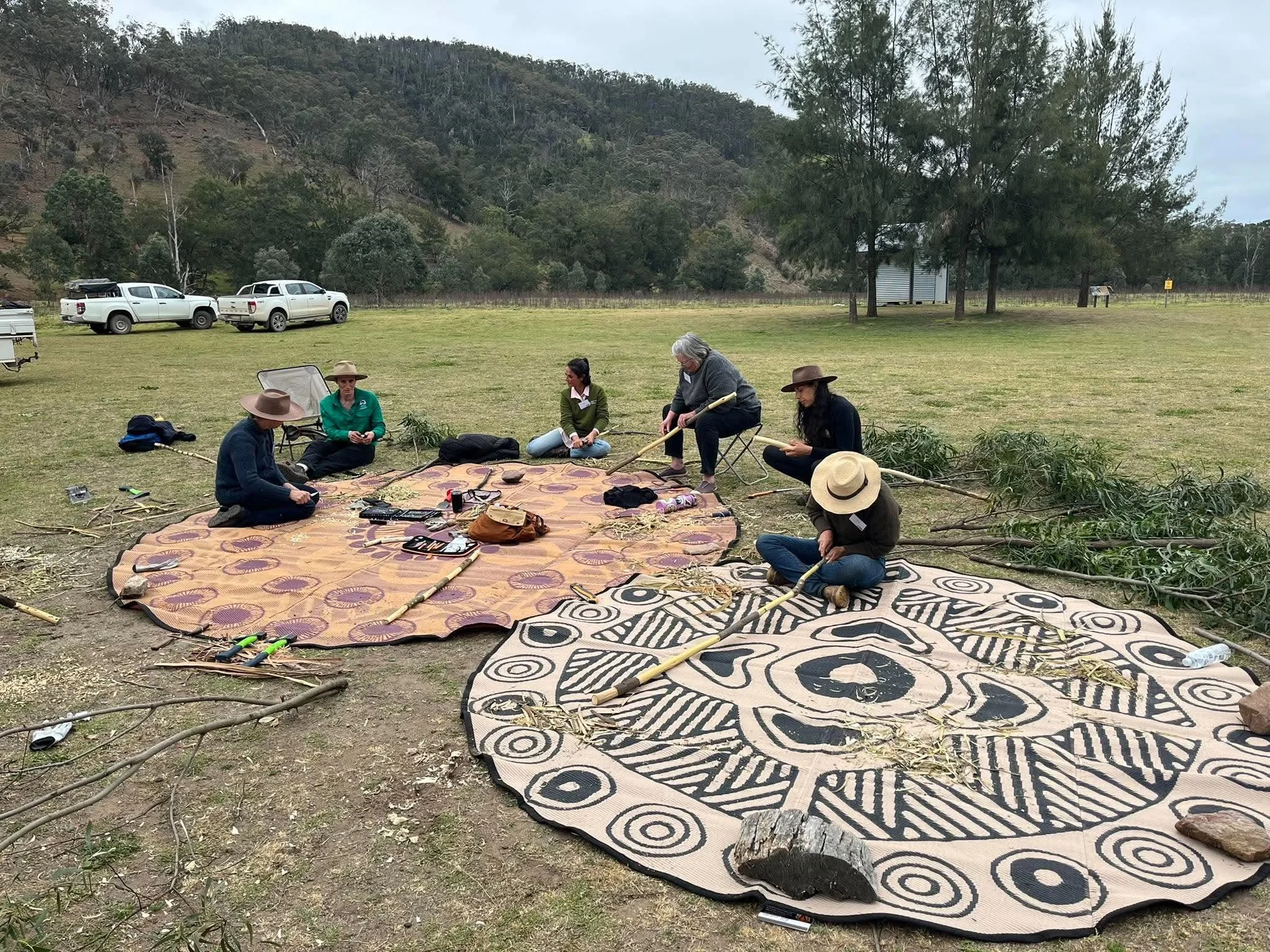
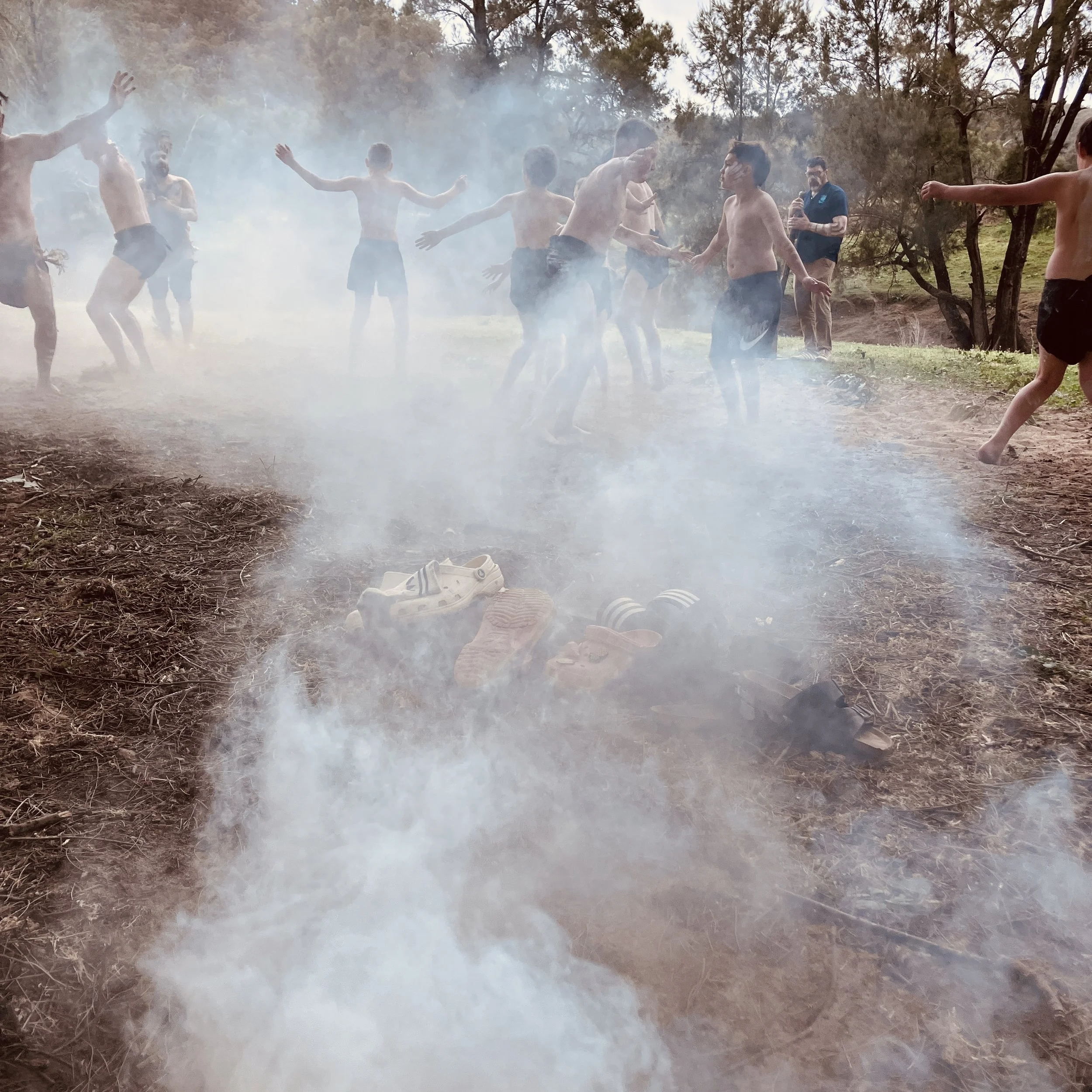
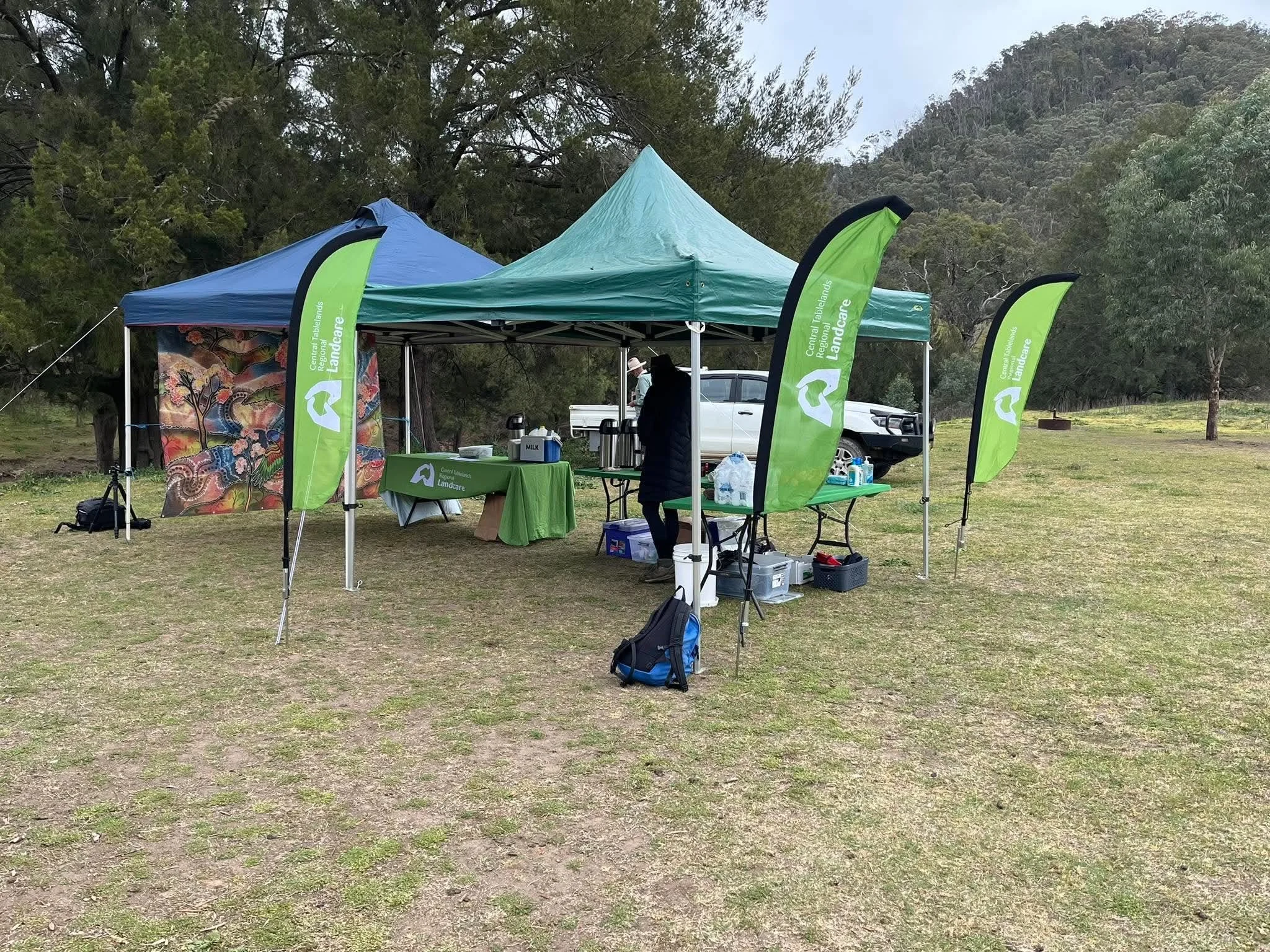
On 22–23 September 2026, 35 participants came together in the Capertee Valley for a two-day cultural immersion camp.
The camp brought Landcare staff, volunteers and committee members together with Aboriginal Elders, knowledge holders and facilitators for cultural learning and relationship building on Country.
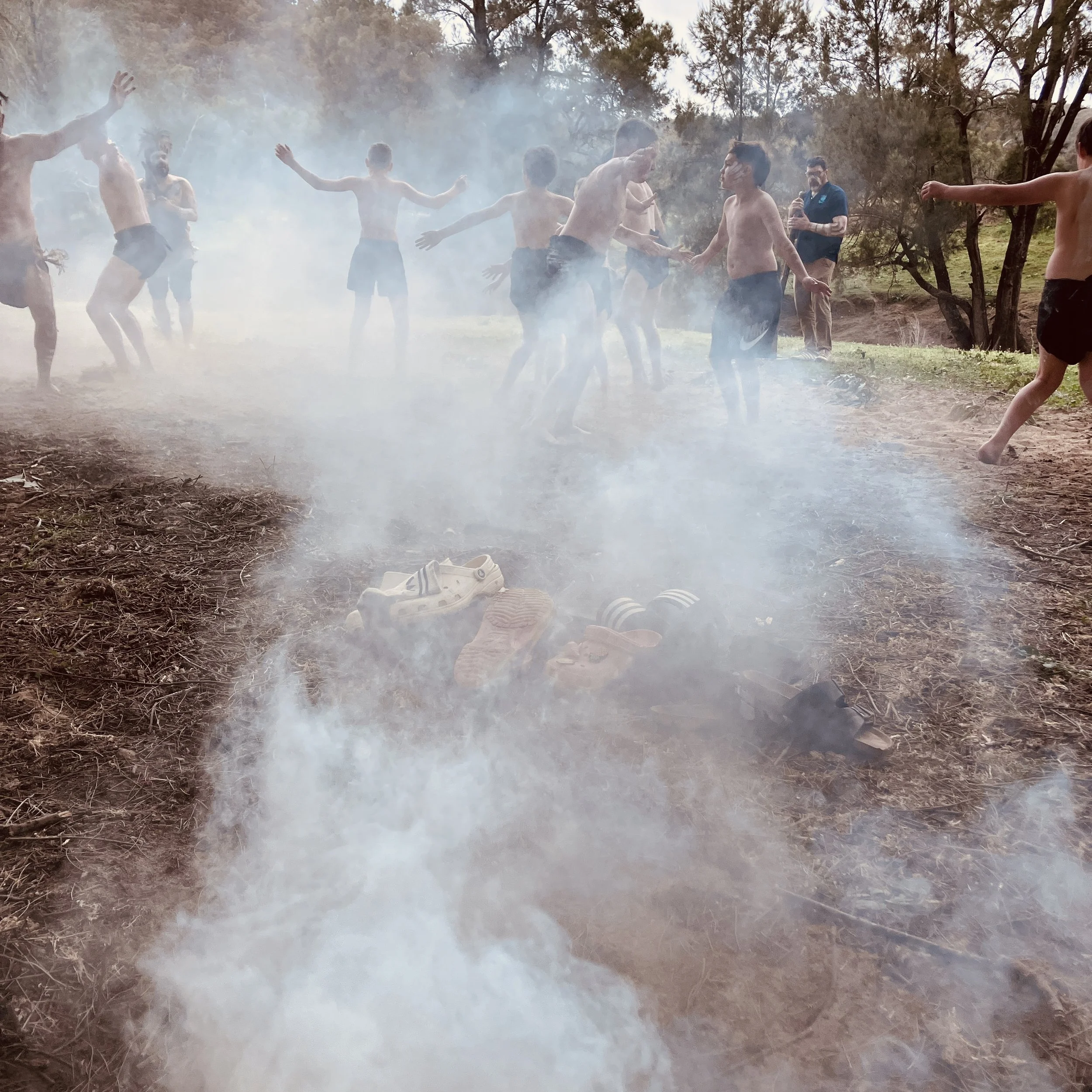
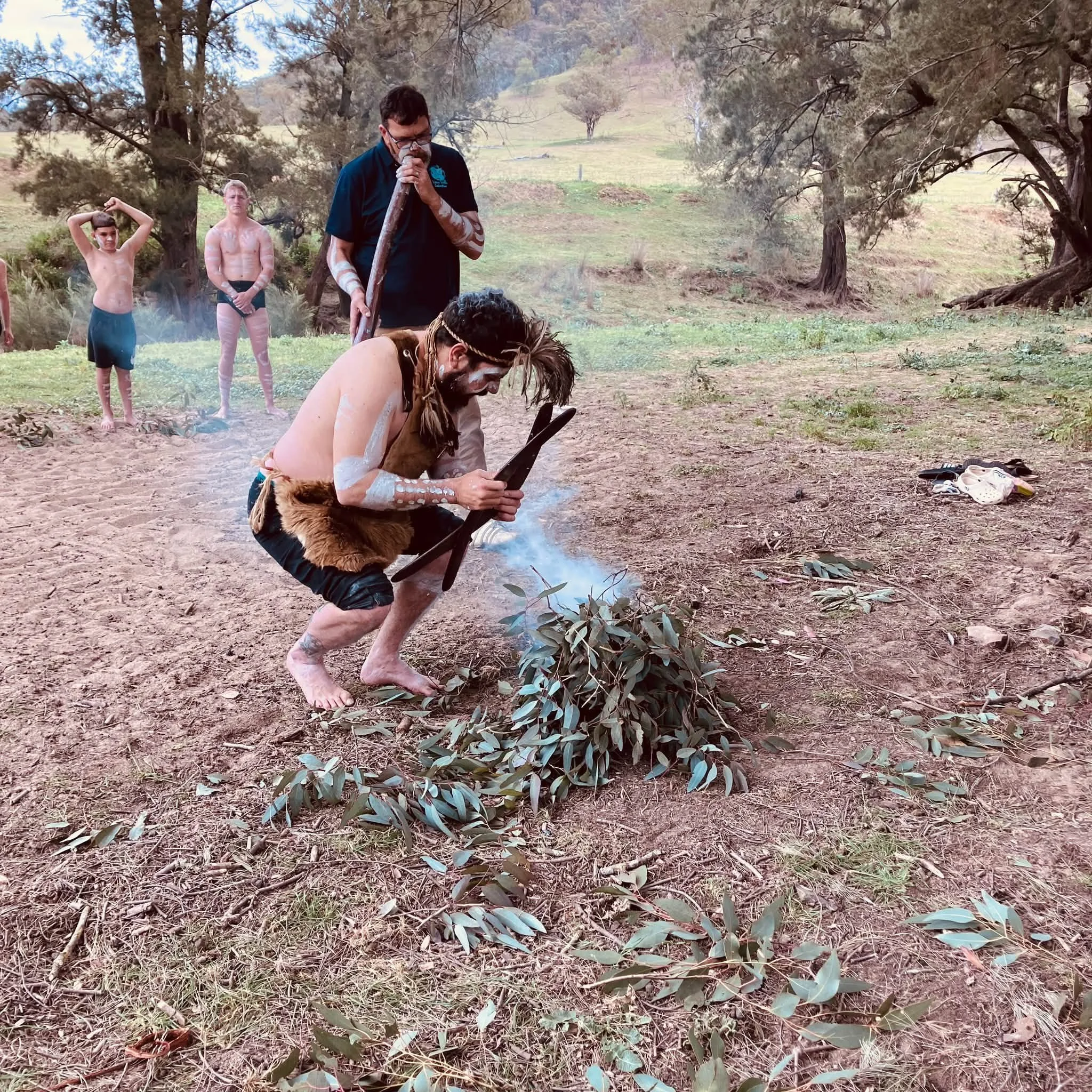
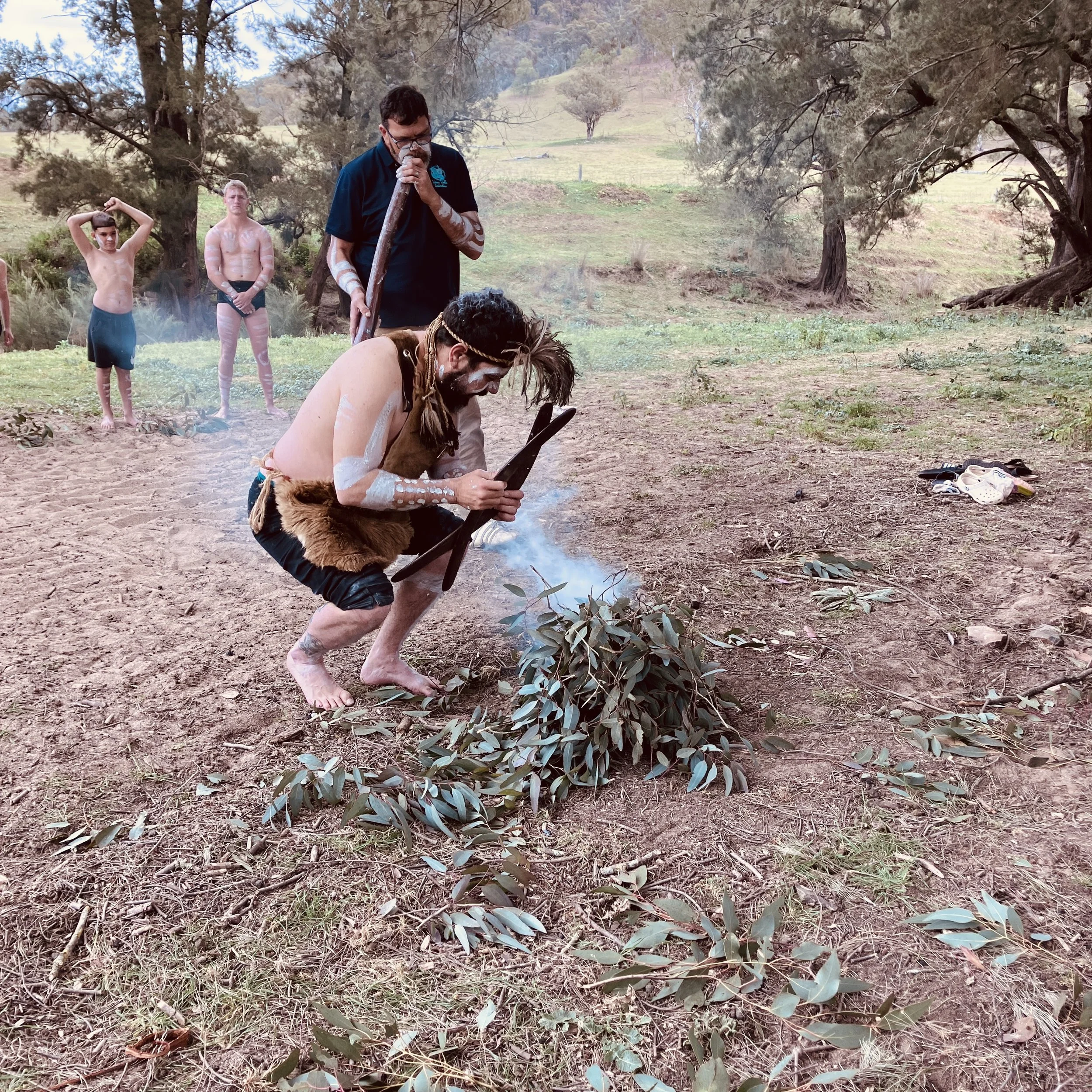
The program included Welcome to Country and a Smoking Ceremony, dance, spear-making, digging-stick and coolamon workshops, yarning, and sessions exploring kinship, ochre and medicinal plants. Participants also heard about the role of Local Aboriginal Land Councils and native title.
5. Short film: questions, answers and understanding
A short film is being developed to address misinformation and common misunderstandings about Aboriginal communities.
Through questions and answers with local Aboriginal representatives, the film will give audiences an opportunity to hear directly from people in our region. It aims to encourage respectful conversations, challenge assumptions and build greater understanding of Aboriginal communities, their experiences and their perspectives.
The film will provide an ongoing learning resource for Landcare and the wider community.
Building lasting partnerships
Together, these five elements are helping Landcare establish a more coordinated and informed approach to Aboriginal engagement across the Central Tablelands.
The work is grounded in listening, ongoing learning and respect for Aboriginal leadership. Through our regional network and five local Landcare networks—Watershed, Central Tablelands, Lithgow Oberon, Mid Lachlan and Little River—we are building foundations for partnerships that continue beyond this project.
We thank the Aboriginal Elders, representatives, organisations and communities who have shared their time, knowledge and guidance, and our project partners, staff, volunteers and committee members for their contributions.
This initiative is supported by the NSW Government through the Landcare Enabling Program Phase 3 Aboriginal Partnerships Grant Program.
Project Officer
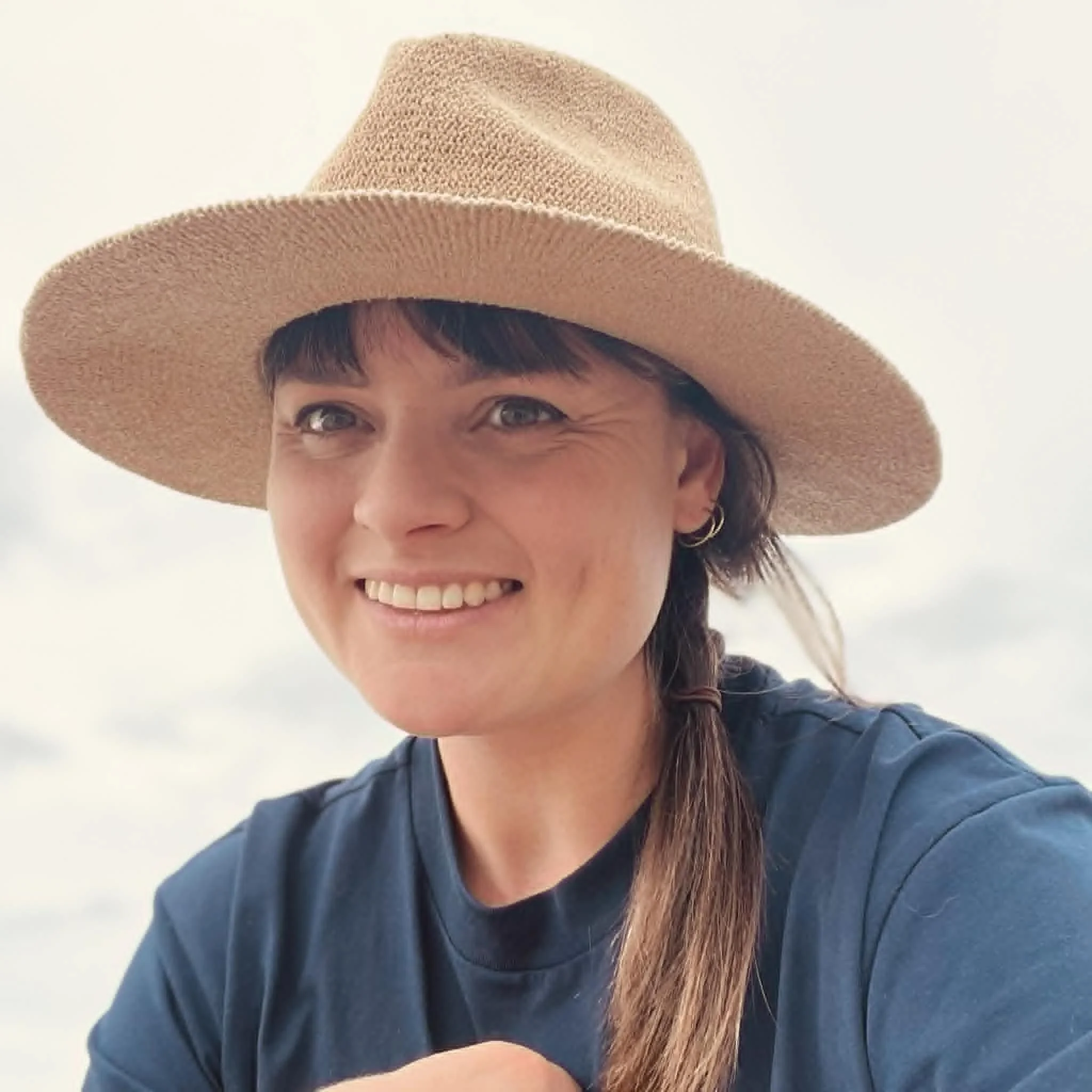
Regional Landcare Coordinator Claudia Macleay coordinates the project, working with Aboriginal partners, Yilabara Solutions, Central Tablelands Local Land Services and our five local Landcare networks.
Her role brings together the project’s five elements, including coordinating the strategy working group, organising visits and cultural learning activities, and overseeing the artwork, communications and short film. She also manages project planning, budgets and reporting, and supports local networks to put the Aboriginal Engagement Strategy into practice.
Central to this work is maintaining relationships, supporting Aboriginal voices and ensuring shared learning leads to lasting changes in how Landcare works with Aboriginal communities.
Contact Claudia by email at claudia@ctregionallandcare.org